





About Zhao Siwen
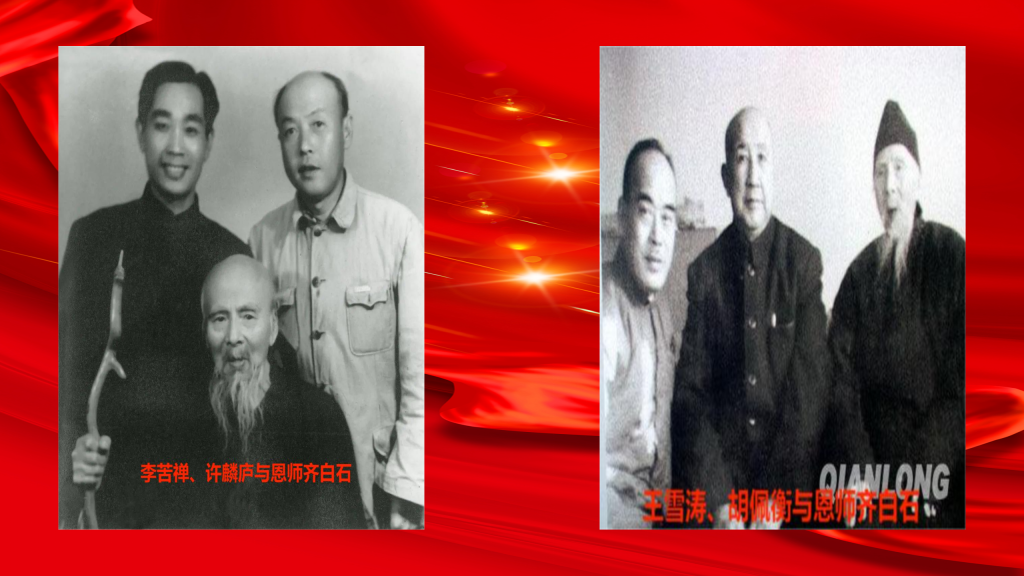
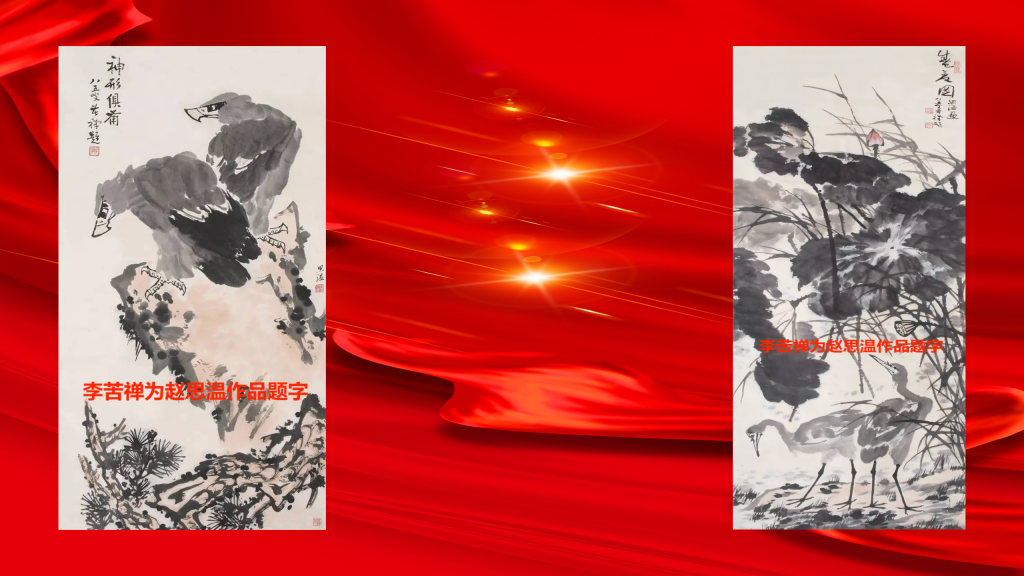
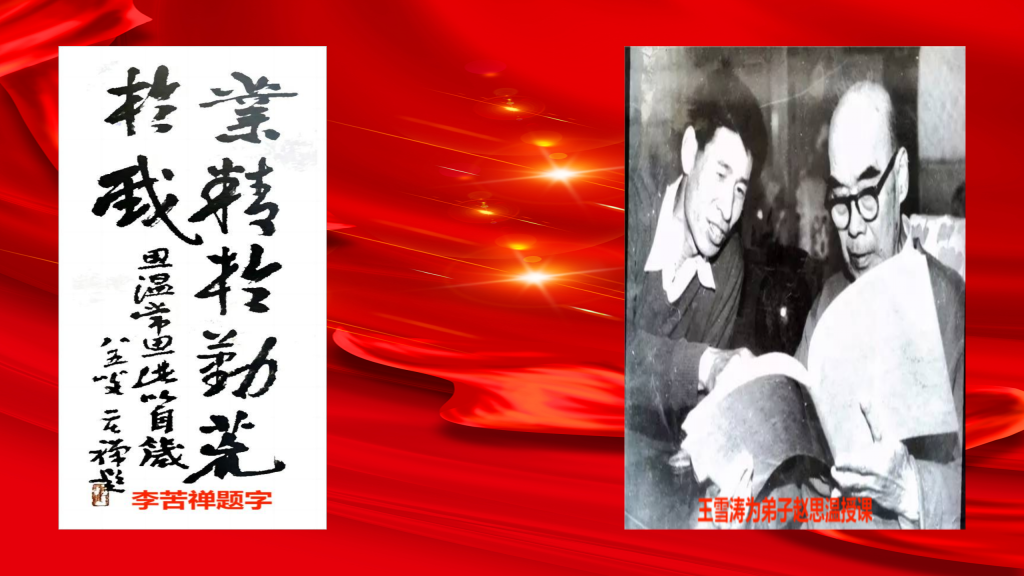
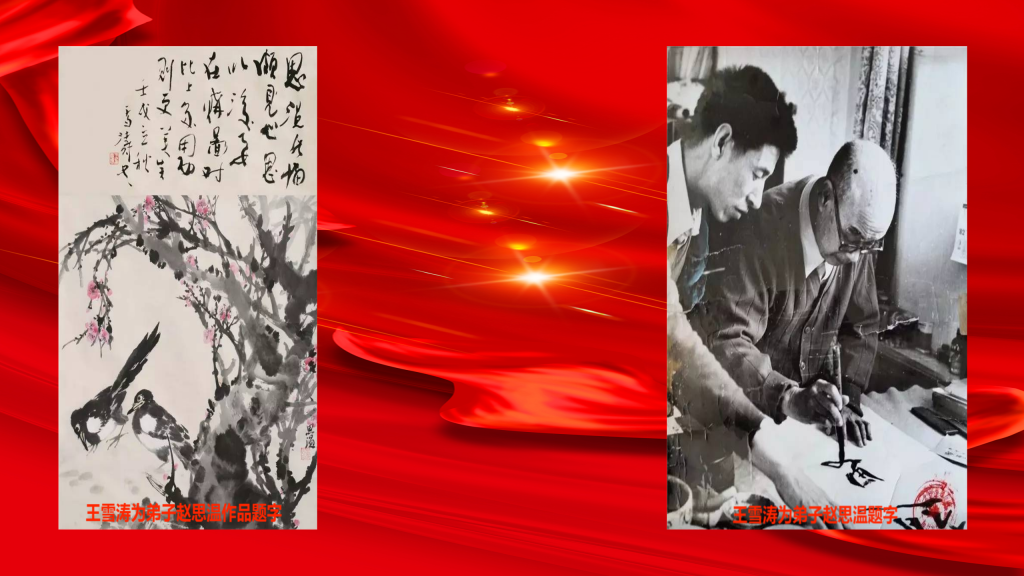
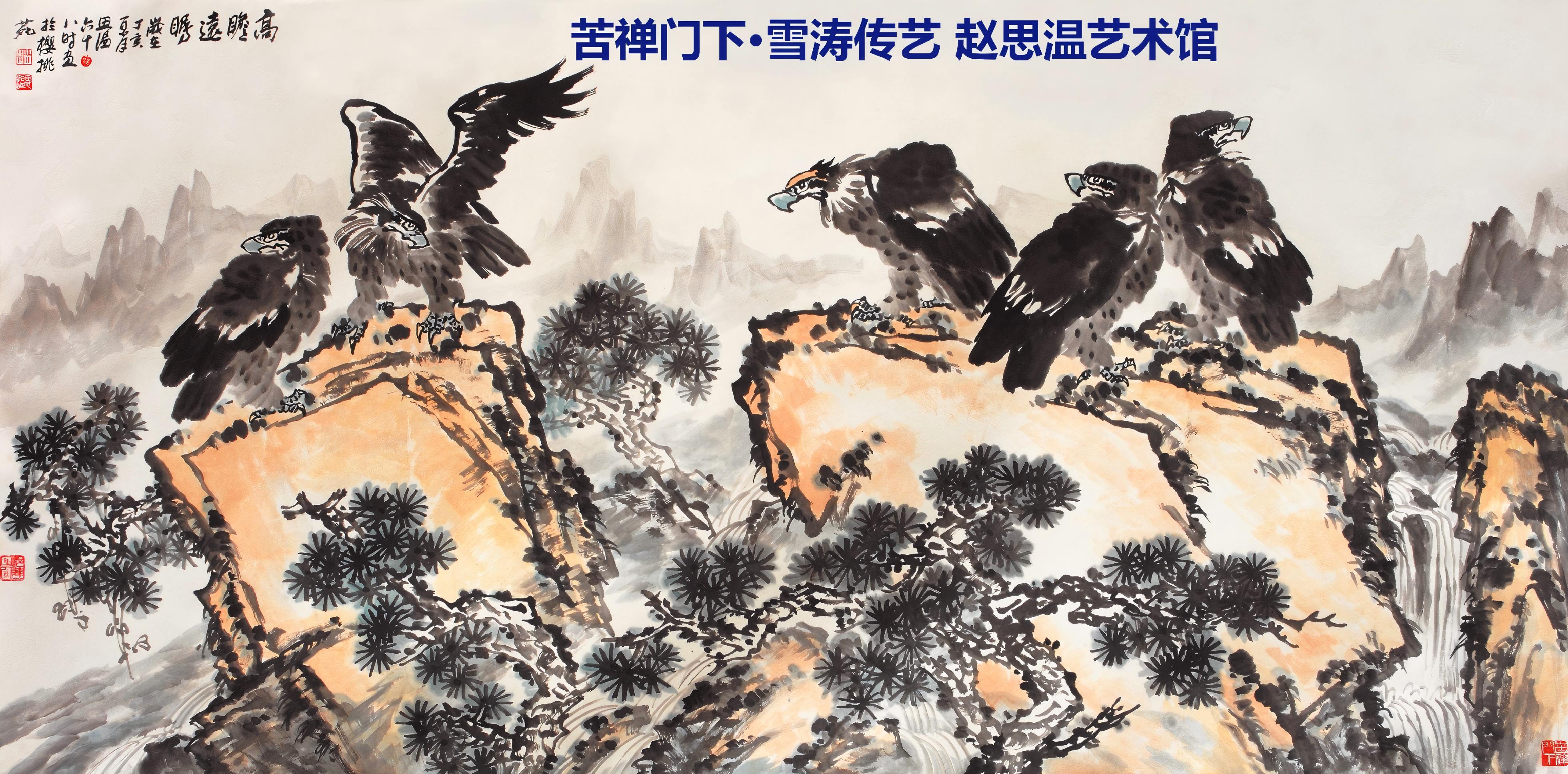
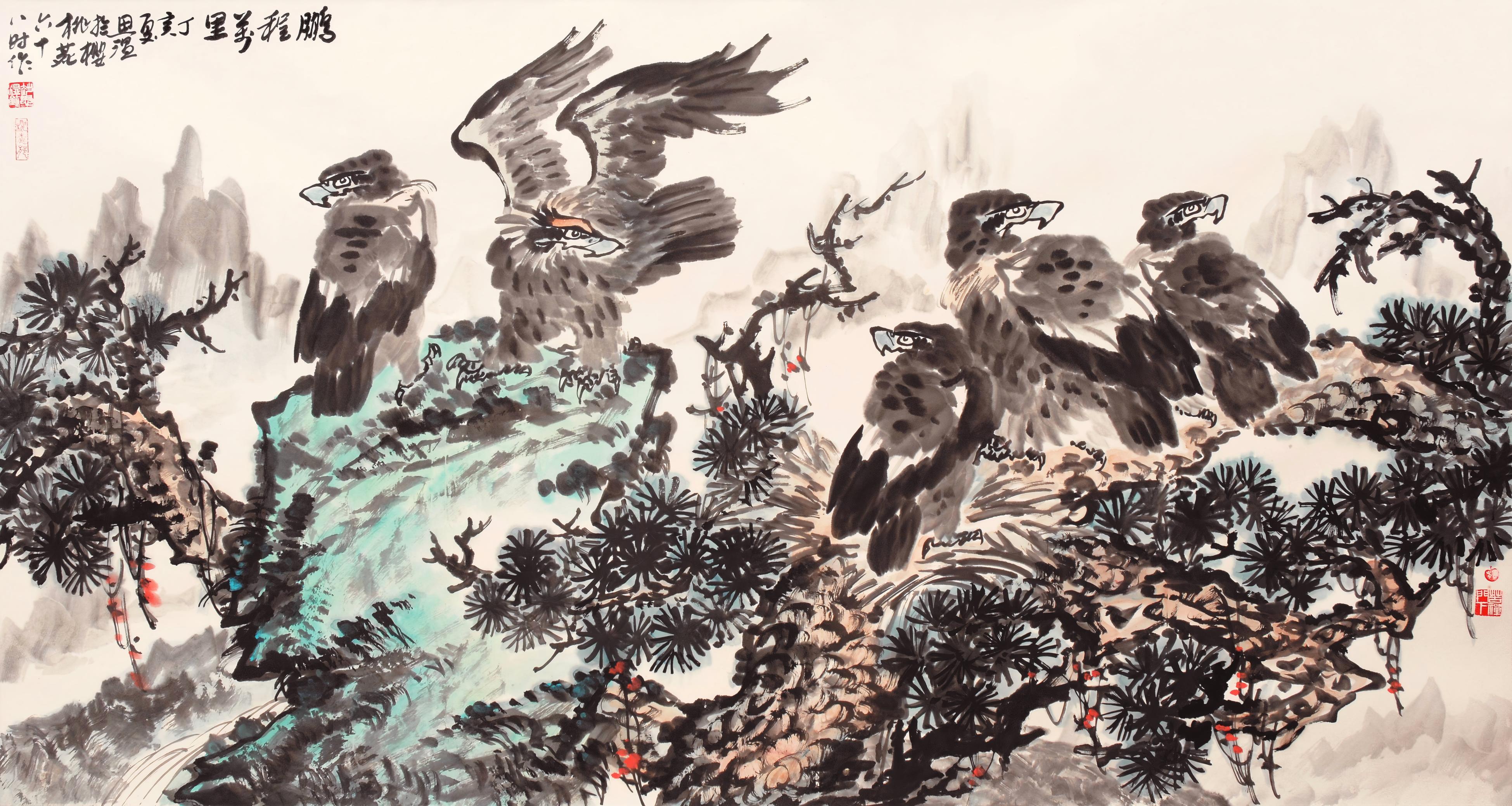
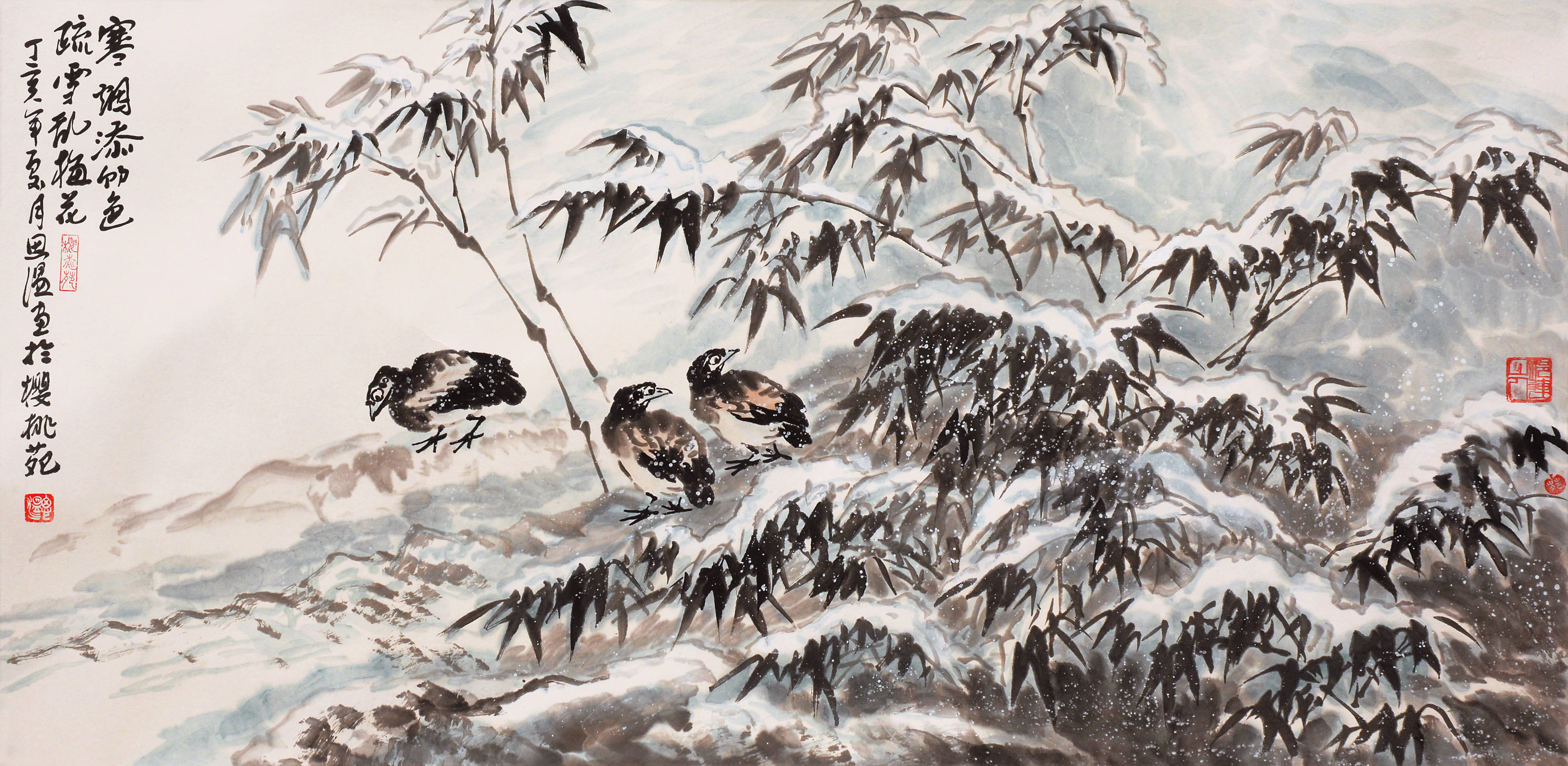
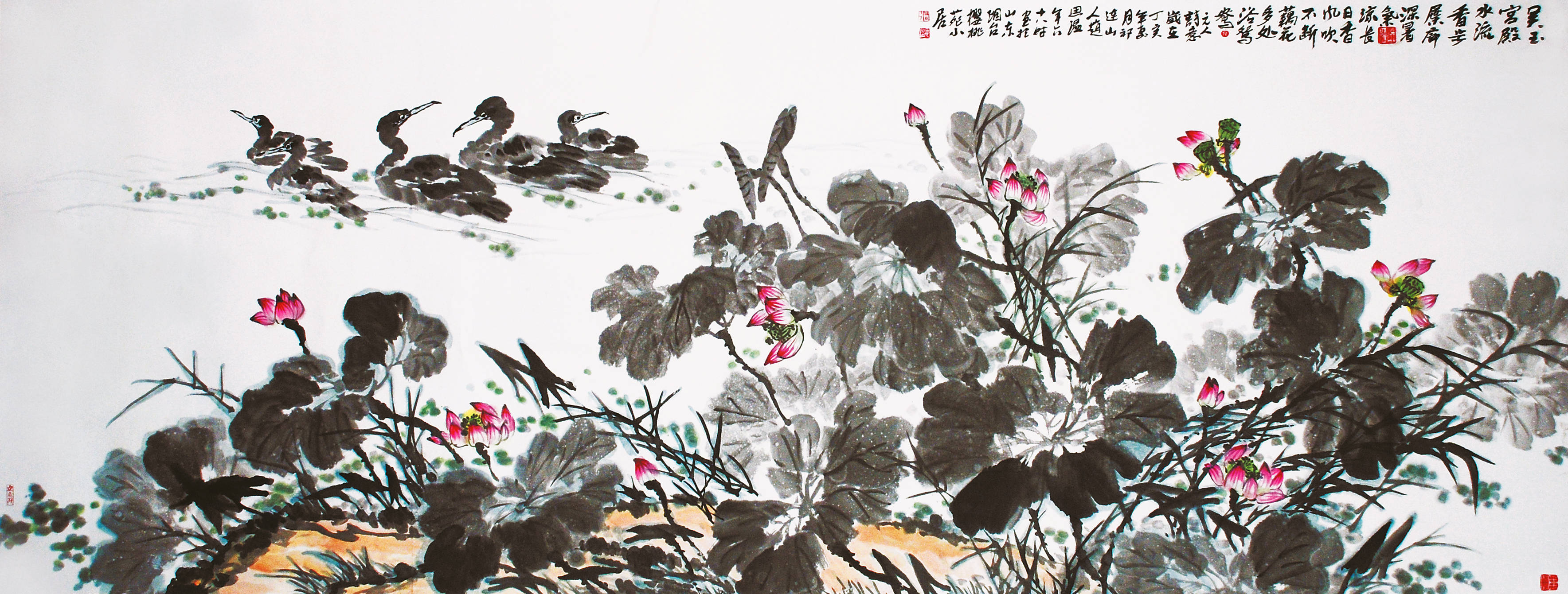
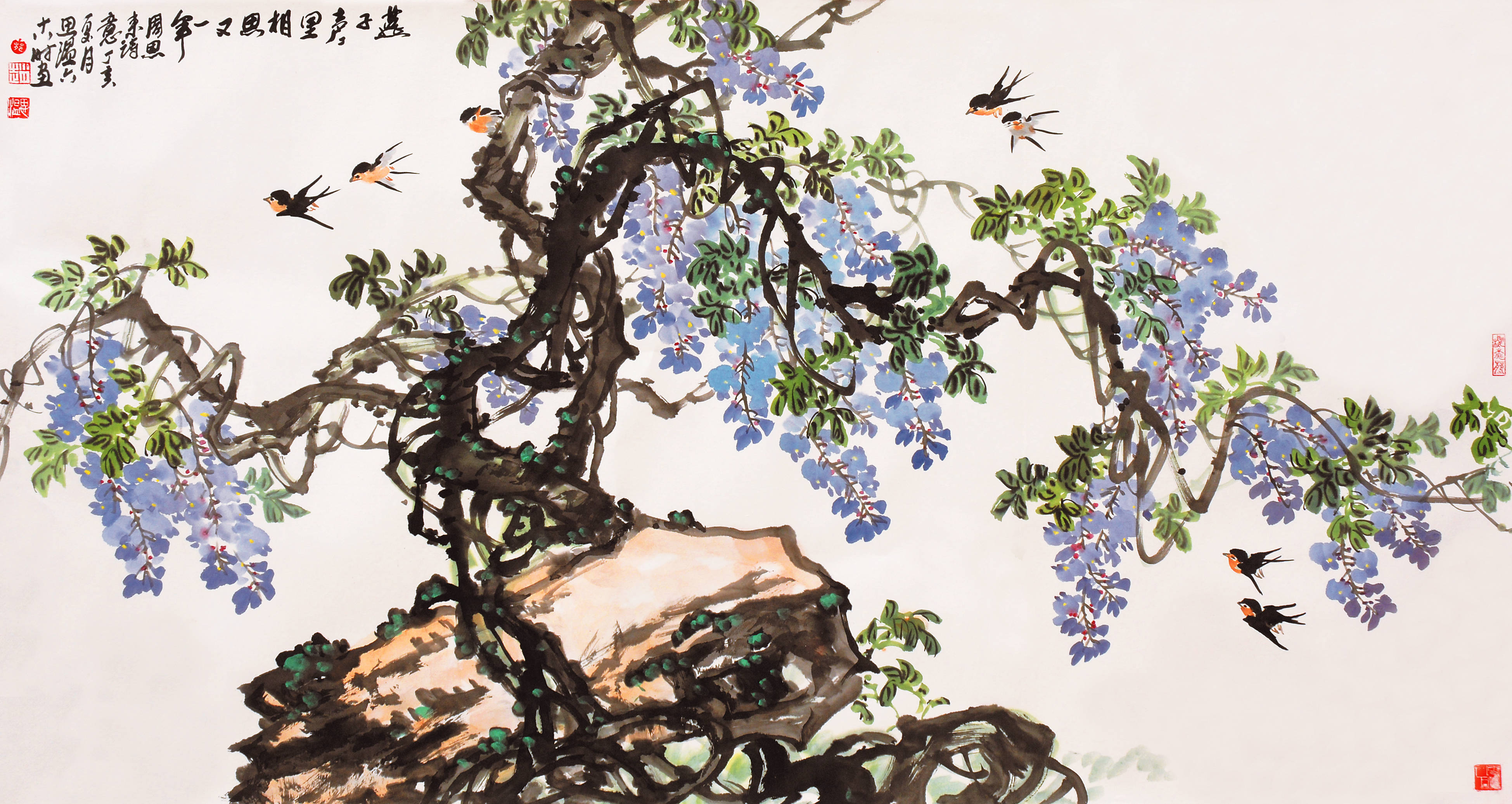
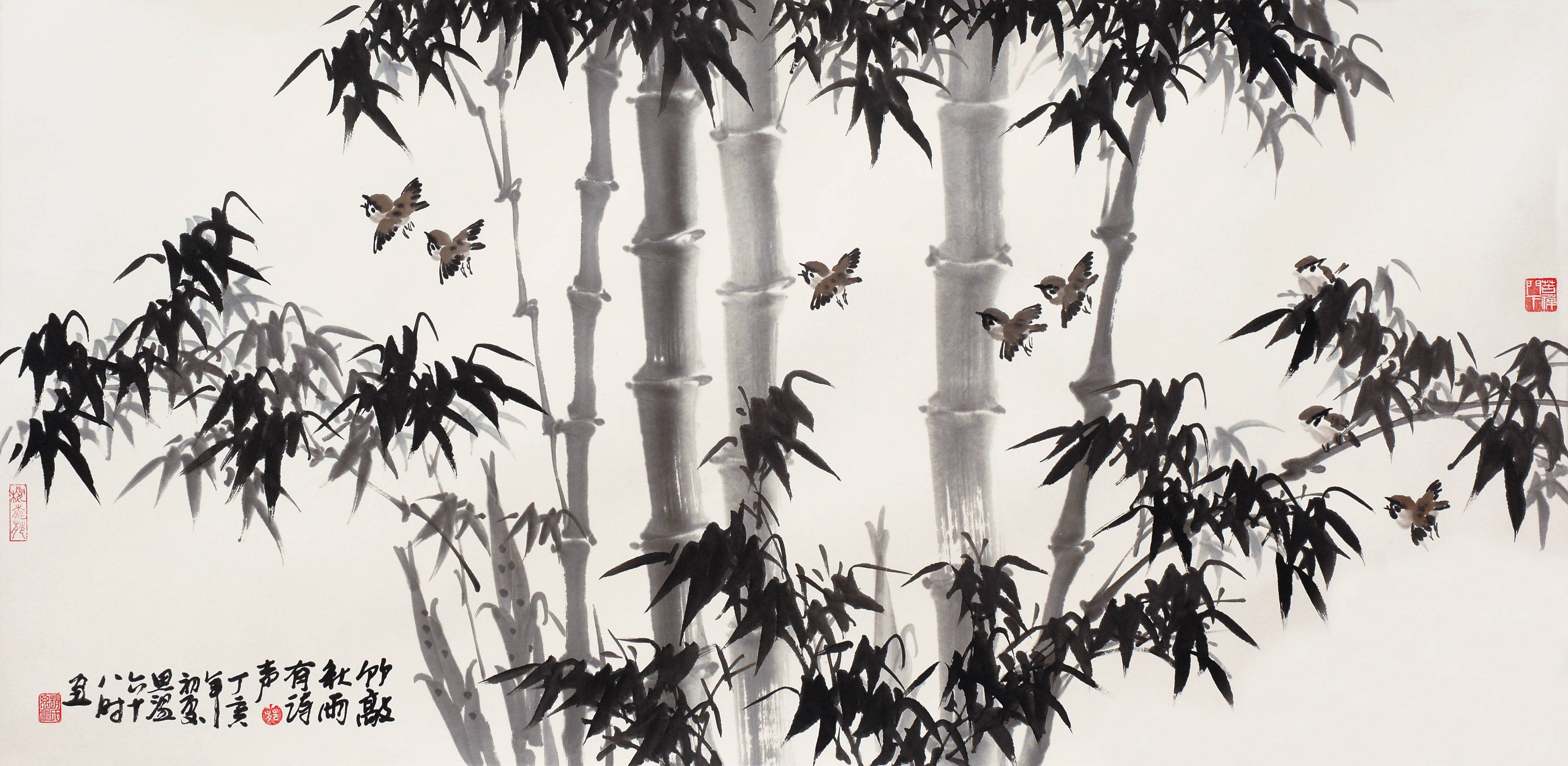
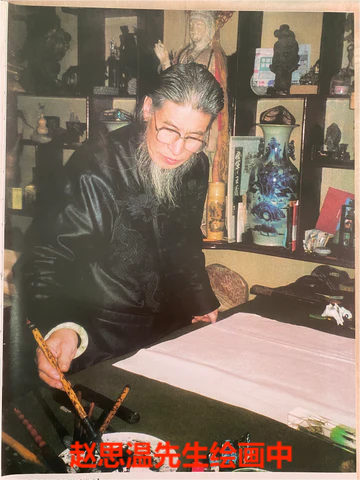
Born in Gansu Province, China, in 1940, Zhao Siwen is one of China’s most distinguished masters of traditional freehand (xieyi) Chinese painting. Influenced by his family’s artistic heritage, he began studying painting at the age of six. Demonstrating exceptional talent from an early age, he was admitted to the Department of Fine Arts at the Central University for Nationalities in Beijing before completing high school.Zhao studied under two of China’s renowned painting masters, Li Kuchan and Wang Xuetao, both of whom were distinguished disciples of the legendary modern Chinese artist Qi Baishi. Through this lineage, Zhao inherited and further developed the expressive tradition of Chinese freehand painting.His paintings have been commissioned and exhibited by many of China’s most prestigious institutions, including Tiananmen, the Great Hall of the People, the Ministry of National Defense, the Ministry of Foreign Affairs, the Military Museum of the Chinese People’s Revolution, and the National Art Museum of China. In recognition of his outstanding artistic achievements and his lifelong contribution to the preservation and promotion of traditional Chinese culture, the Chinese government established the Zhao Siwen Art Museum in his honor.In his later years, Zhao settled in North America, where he has devoted himself to artistic creation, exhibitions, and cultural exchange. His works have been exhibited extensively throughout China, the United States, Canada, Japan, Singapore, Thailand, Malaysia, and Taiwan, among other regions. As a cultural ambassador, he has played an important role in introducing Chinese painting to international audiences, fostering cross-cultural understanding and friendship. Today, his works are widely collected by museums, institutions, and private collectors around the world.
About Qi Baishi
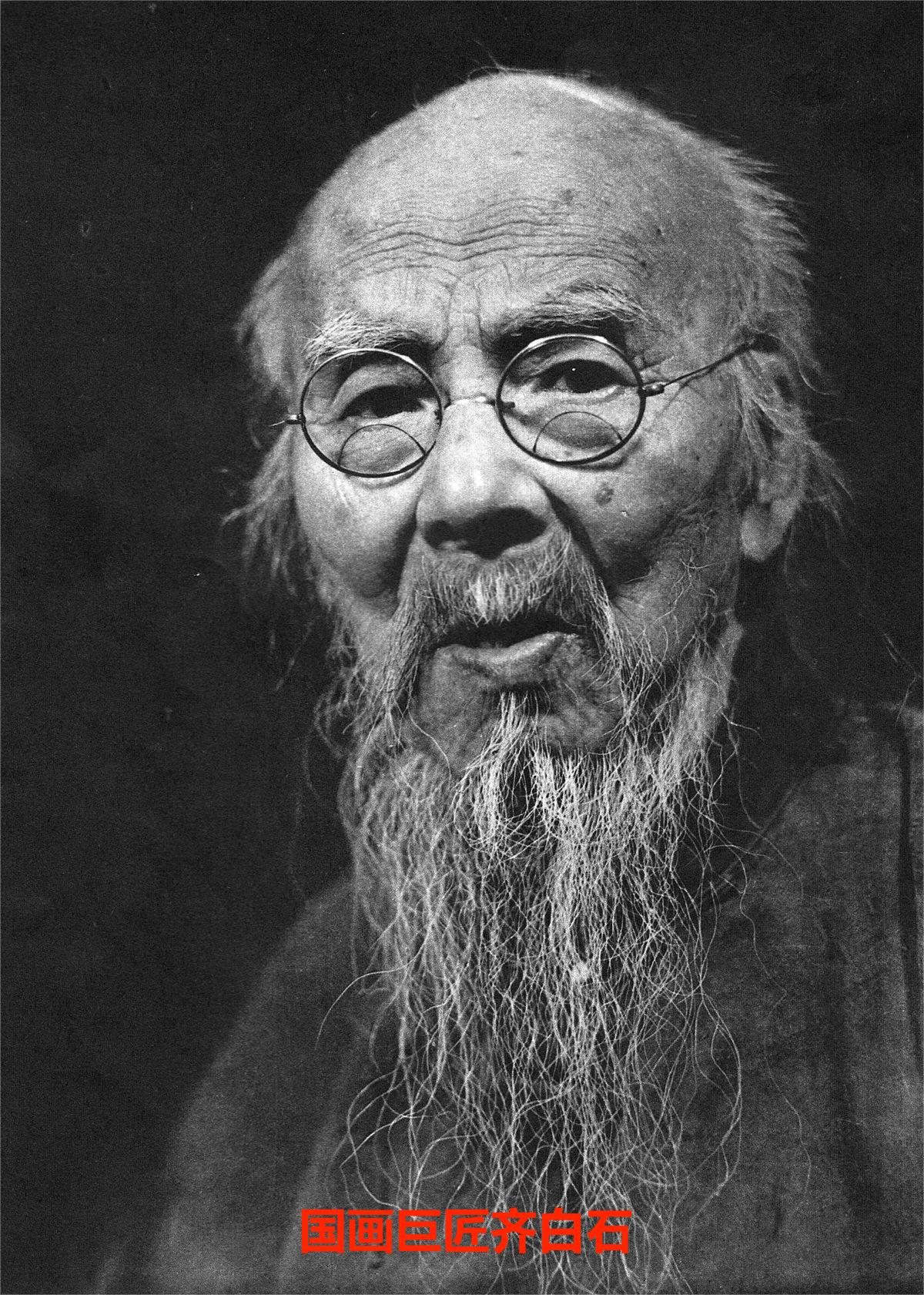
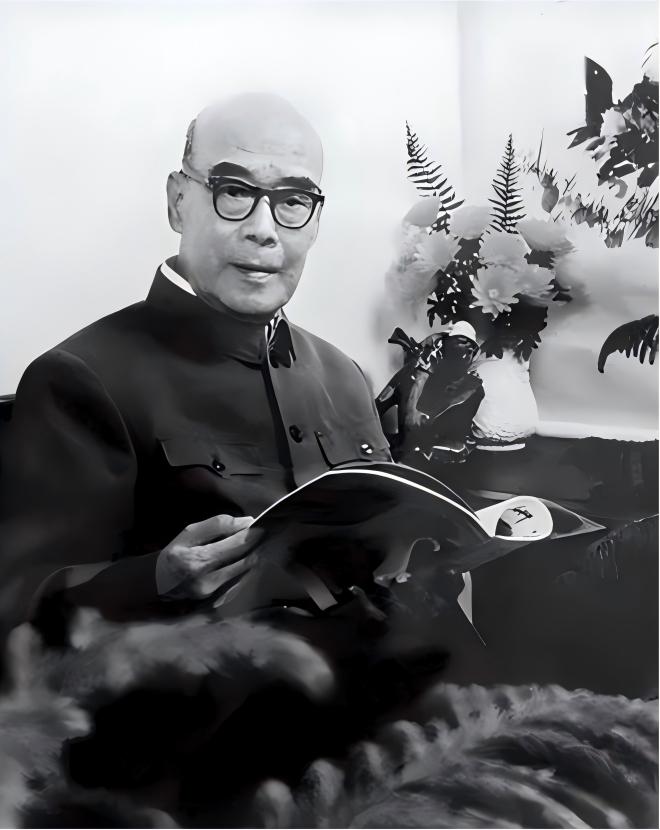
Qi Baishi (January 1, 1864 – September 16, 1957) was one of the greatest masters of modern Chinese painting, as well as an outstanding calligrapher and seal engraver. Born in Xiangtan, Hunan Province, China, his given name was Qi Huang, courtesy name Pingsheng, and he was widely known by his art names Baishi, Baishi Weng, Lao Bai, Jiping, Laoping, Jieshan Weng, Qi Da, Mu Jushi, and The Wealthy Owner of Three Hundred Stone Seals.Qi Baishi is celebrated worldwide for revitalizing traditional Chinese painting through his expressive freehand (xieyi) style, characterized by remarkable simplicity, vitality, and profound artistic spirit. His most celebrated masterpieces include Ink Shrimps, Herding Cattle, Ten Miles of Frog Calls Emerging from the Mountain Spring, and Pines Standing Loftily, accompanied by a four-character seal-script couplet. He also published several collections of poetry, including Poems from the Studio of Borrowed Mountains and Poems of Baishi, as well as important painting albums such as Selected Works of Qi Baishi and Selected Landscape Paintings of Qi Baishi.Beginning in 1926, Qi Baishi taught at the National Beijing Art School. In 1946, he held major solo exhibitions in Nanjing and Shanghai and was appointed Honorary Professor of the Beiping National Art School. After the founding of the People’s Republic of China, he was elected a member of the China Federation of Literary and Art Circles and the China Artists Association. In 1952, he became Honorary Professor of the Central Academy of Fine Arts, Research Fellow of the Central Research Institute of Culture and History, President of the Beijing Chinese Painting Research Society, and Honorary President of the Beijing Chinese Painting Academy.In 1953, Qi Baishi was awarded the honorary title of People’s Artist by China’s Ministry of Culture and was elected Chairman of the China Artists Association. In 1954, he was elected as a deputy to the First National People’s Congress of the People’s Republic of China. In 1955, he was elected a Corresponding Member of the Academy of Arts of the German Democratic Republic and received the International Peace Prize awarded by the World Peace Council. In 1957, he was appointed Honorary President of the Beijing Painting Academy.To commemorate his extraordinary artistic achievements and enduring contribution to Chinese culture, the Chinese government established the Qi Baishi Former Residence Memorial Museum in Beijing and the Qi Baishi Memorial Museum in Xiangtan, Hunan.Qi Baishi trained and influenced many of the most important painters of twentieth-century China. Among his most distinguished disciples were Li Kuchan, Wang Xuetao, Li Keran, and Xu Linlu. He also mentored renowned Peking Opera master Mei Lanfang and celebrated Pingju opera performer Xin Fengxia, whose artistic development was profoundly influenced by his teachings.
About Li Kuchan
Li Kuchan (January 11, 1899 – June 11, 1983) was one of the most influential masters of twentieth-century Chinese freehand (xieyi) flower-and-bird painting, as well as a distinguished calligrapher and art educator. Born in Gaotang County, Shandong Province, China, his original name was Li Ying, later changed to Li Yingjie, with the courtesy names Chaosan and Ligong.In 1922, Li was admitted to the Western Painting Department of the National Beiping Art School, where he received formal academic training in Western art. The following year, he became the first formal disciple of the legendary painter Qi Baishi, inheriting and further developing the expressive tradition of Chinese freehand painting. By integrating the spirit of traditional Chinese ink painting with his own bold artistic vision, Li Kuchan established a distinctive style characterized by vigorous brushwork, powerful composition, and profound expressive force.Li Kuchan’s representative masterpieces include Orchids and Bamboo, The Eagle Watches Over China, A Pair of Perched Birds, Ink Lotus, Red Plum Blossoms in Full Bloom, Snow After Sunshine, Ink Bamboo, Midsummer, Strength and Integrity, Pine and Eagle, Blooming Lotus, Flock of Eagles, and Waterfowl. His published works include Selected Paintings of Li Kuchan and Collected Paintings of Li Kuchan, which continue to serve as important references for the study of modern Chinese painting.Throughout his distinguished career, Li Kuchan served as Professor of the Department of Traditional Chinese Painting at the Central Academy of Fine Arts, Member of the Academic Committee of the China National Academy of Painting, Director of the China Artists Association, and Member of the National Committee of the Chinese People’s Political Consultative Conference (CPPCC). As one of the most influential art educators of modern China, he trained numerous outstanding painters and made lasting contributions to the development of Chinese art education.To commemorate his remarkable artistic achievements and enduring contribution to Chinese culture, the Chinese government established the Li Kuchan Memorial Museum in Jinan, Shandong Province, and the Li Kuchan Art Museum in his hometown of Gaotang, Shandong Province.Li Kuchan occupies a pivotal position in the lineage of modern Chinese painting. As the foremost disciple of Qi Baishi, he inherited the essence of the master’s artistic philosophy while cultivating a new generation of outstanding painters. Among his most distinguished students was Zhao Siwen, who continued this celebrated artistic lineage through his own achievements in Chinese freehand painting.

About Wang Xuetao
Wang Xuetao (December 31, 1903 – November 24, 1982) was one of the most celebrated masters of modern Chinese freehand (xieyi) flower-and-bird painting. Born in Cheng’an County, Hebei Province, China, his original name was Wang Tingjun, with the courtesy name Xiaofeng and the art name Chiyuan.In 1922, Wang was admitted to the National Beiping Art School, where he initially studied Western painting before transferring to the Department of Traditional Chinese Painting. During his studies, he was taught by many of China’s most distinguished artists, including Chen Shizeng, Wang Mengbai, Chen Banding, Xiao Qianzhong, as well as the French art instructor Claude. In 1923, he became a disciple of the legendary master Qi Baishi, from whom he inherited the expressive spirit of Chinese freehand painting while developing his own refined and vibrant artistic style.Wang Xuetao was renowned for his elegant compositions, lively brushwork, and masterful depictions of flowers, birds, insects, and small animals. His representative masterpieces include Flock of Chickens, A Riot of Colors, Hundreds of Flowers in Bloom, Flowers and Birds of the Four Seasons, and Heralds of Good Fortune. His published works include Collected Paintings of Wang Xuetao, Painting Manual of Wang Xuetao, and The Flower-and-Bird Paintings of Wang Xuetao, all of which remain important references for the study of modern Chinese painting.Throughout his distinguished career, Wang Xuetao served as President of the Beijing Painting Academy, Director of the China Artists Association, Vice Chairman of the Beijing Branch of the China Artists Association, Representative to the Seventh Beijing Municipal People’s Congress, Standing Committee Member of the Fifth Beijing Municipal Committee of the Chinese People’s Political Consultative Conference (CPPCC), and Member of both the Central Liaison Committee and the Beijing Municipal Committee of the China Zhi Gong Democratic Party.To commemorate his remarkable artistic achievements and lasting contribution to Chinese art, the Chinese government established the Wang Xuetao Memorial Museum in Jinan, Shandong Province. The museum is located within the historic Baotu Spring Park, alongside the Li Kuchan Memorial Museum, symbolizing the enduring artistic legacy of two of the most distinguished disciples of Qi Baishi.As one of Qi Baishi’s most accomplished disciples, Wang Xuetao played a pivotal role in the development of modern Chinese flower-and-bird painting. Through his lifelong dedication to artistic creation and education, he influenced generations of painters. Among his distinguished students was Zhao Siwen, who inherited and further carried forward this celebrated artistic lineage in contemporary Chinese freehand painting.
Zhao Siwen Art
Advancing the Legacy of Chinese Freehand Painting